
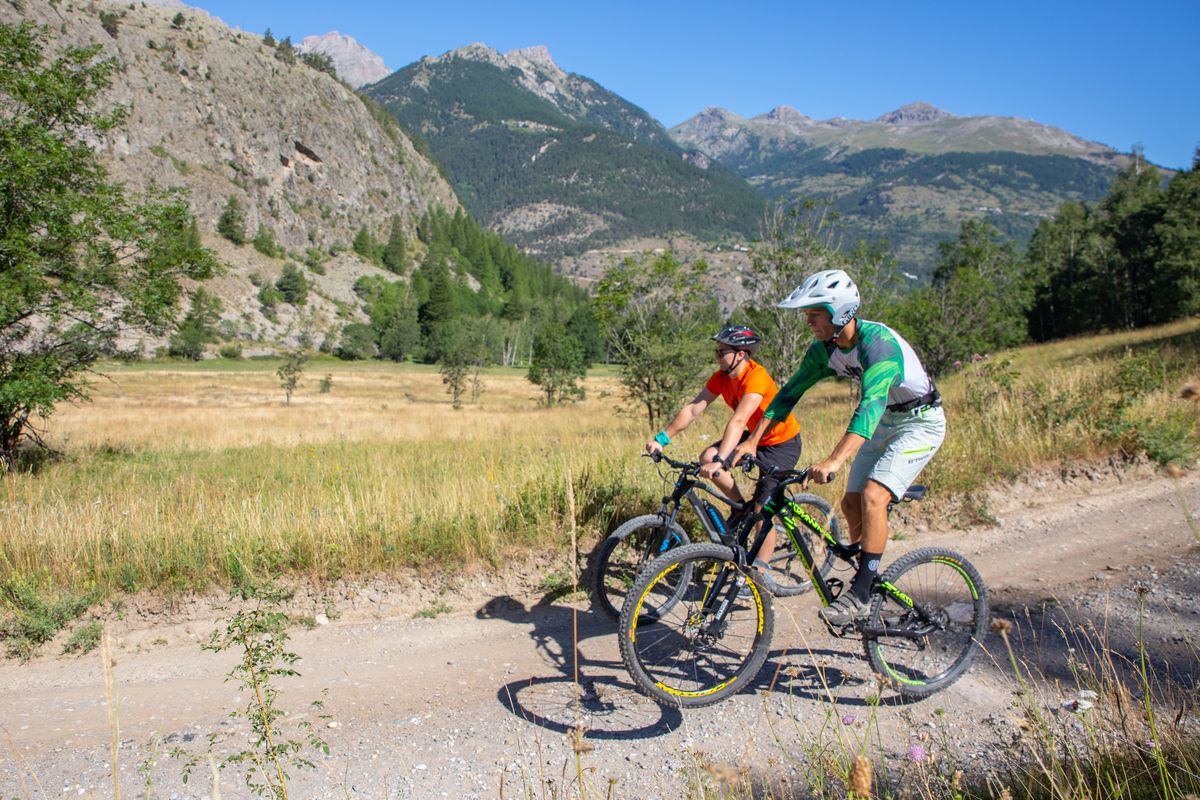
EBike N°01 - Poux Circuit
 Medium
Altimetric profile
Recommandations
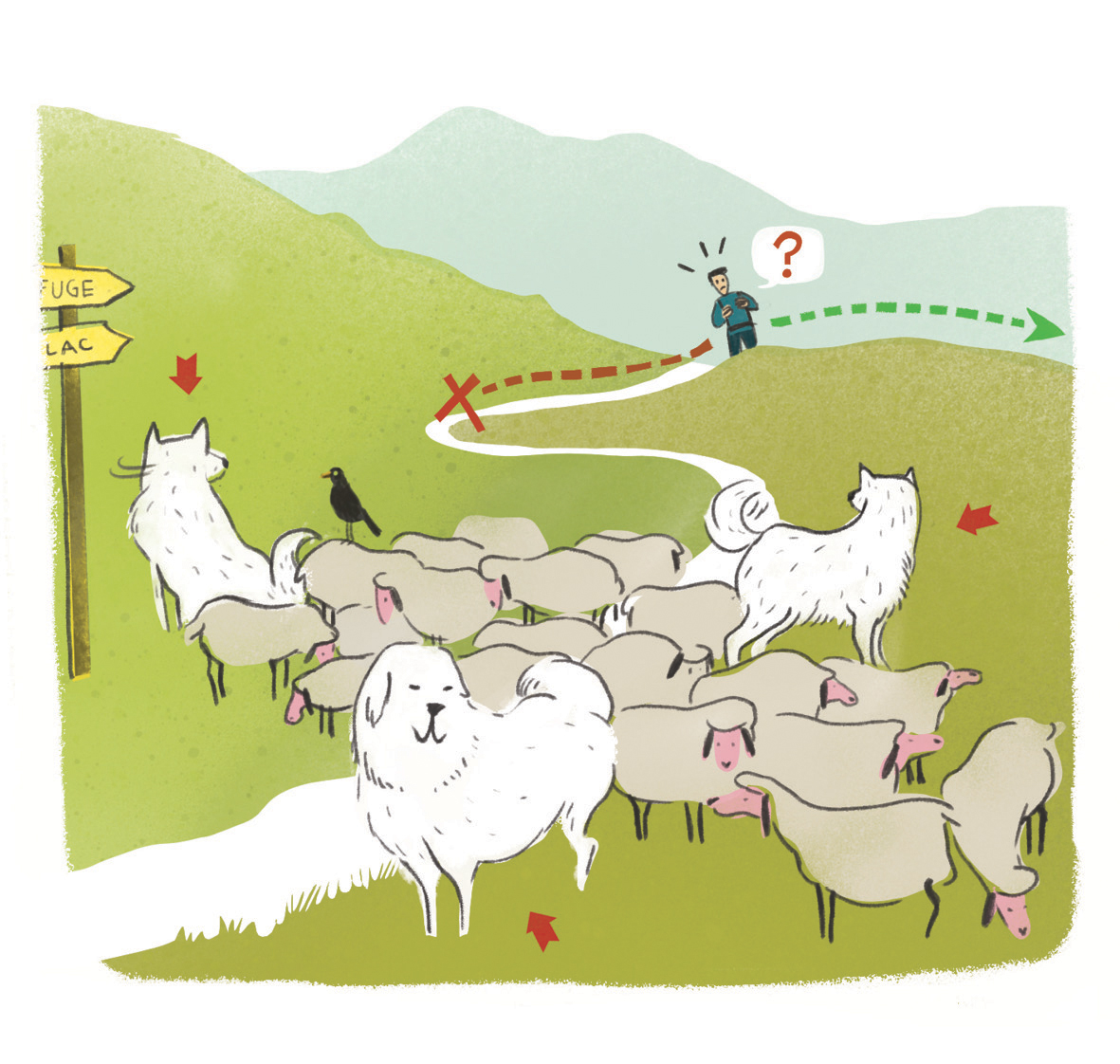 In mountain pastures, protection dogs are there to protect the herds from predators (wolves, etc.).
When mountain biking, I adapt my behavior by going around the herd, pausing and getting off the bike so the dog can identify me.
Find out more about the actions to adopt with the article "Protection dogs: a context and actions to adopt".
Tell us about your meeting by answering this survey.
Information desks
23 Avenue de la République, 05120 L'Argentière-La Bessée
Place de l'Eglise, 05340 Vallouise
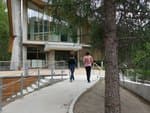
Vallouise Park house
, 05290 Vallouise
Information, documentation, models, exhibitions, screenings, product sales and works of the Park. Guided tours for school, reservation required. The new Park House opened in Vallouise since June 1, and offers visitors an interactive permanent exhibition inviting to explore the area and its heritage. A temporary exhibition space will allow a renewed offer. Finally, the device is completed by an audiovisual room to organize screenings and conferences Free admission. All animations of the Park are free unless otherwise stated.
5 points of interest
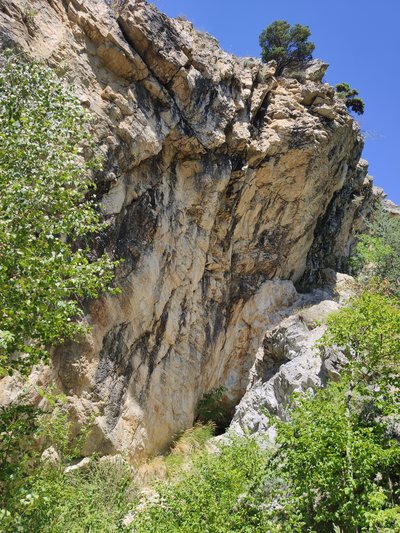
La faille - Office de tourisme du Pays des Écrins  Geology and geography
The fault
The series of faults in the Durance has long been known to alpine geologists. Categorised as « normal »,these faults are openings associated with a movement of extension and stretching of the Briançonnais zone in contact with the Dauphinois zone located further to the west. Warning: it is dangerous and prohibited to approach a fault. Risk of rock falls.
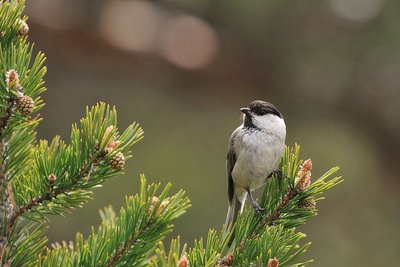
La mésange boréale - Mireille Coulon - Parc national des Écrins  Fauna
FaunaThe willow tit
A small resident passerine with a black cap, brown back and white underside, the willow or alpine tit lives in the mountain forests. It selects a trunk with rotten wood in which to built its nest, because its beak is not designed for pecking into very solid trunks. This tit is very similar to the marsh tit, which tends to live below 1,400 metres. To distinguish between them, you have to listen carefully to the singing and calls of these two birds.
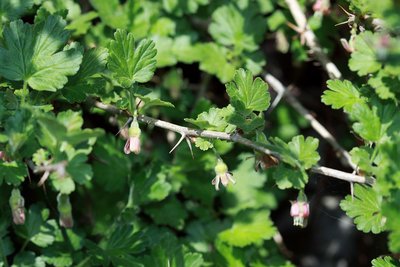
Le groseillier à maquereaux - Dentant Cédric - Parc national des Écrins  Flora
FloraThe gooseberry
Watch out, it's spiky! The gooseberry is a thorny little bush, and very common in this area. In fact, it grows well in dry ground. It bears whitish, sometimes purplish, fruits covered in rather stiff hairs. Its long, strong thorns often discourage people from gathering its fruits, and the feel of the stiff hairs is rather strange in the mouth. But it's worth the effort: they are very tasty!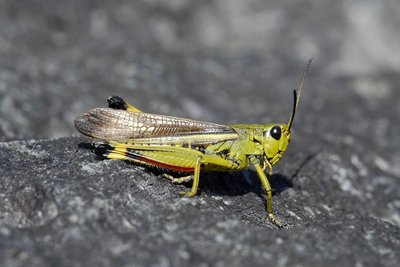
Le criquet ensanglanté - Mireille Coulon - Parc national des Écrins FaunaThe large marsh grasshopper
In the wet areas beside the streams lives the large marsh grasshopper. Its French name, criquet engsanglanté, translates as the "bloodied grasshopper" because the female has purple-red marks which stand out against her general green colour. Her eggs are drought-sensitive so she only lays them in damp soil. When courting the female, the male does not chirp but makes clicking sounds, which he produces by stretching his hind leg in a sudden movement.
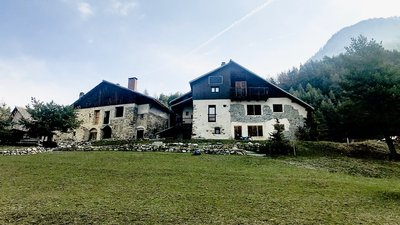
Le Clot de la Rama - Office de tourisme du Pays des Écrins  History
Le Clot de la Rama
Le Clot de la Rama is a small hamlet in the municipality of Saint-Martin-de-Queyrières. It lies in the Saint-Sébastien valley by the mountain stream, at an altitude of 1,500 metres. Still populated, this small hamlet had several alpine pasture chalets which trace its history and show how valuable the land was. In addition, there is still an alpine pasture chapel here, called the chapel of Sainte-Marie-Madeleine which is marked by its history.
More information


details.BAMwidget
Source

Report a problem or an error
If you have found an error on this page or if you have noticed any problems during your hike, please report them to us here: