
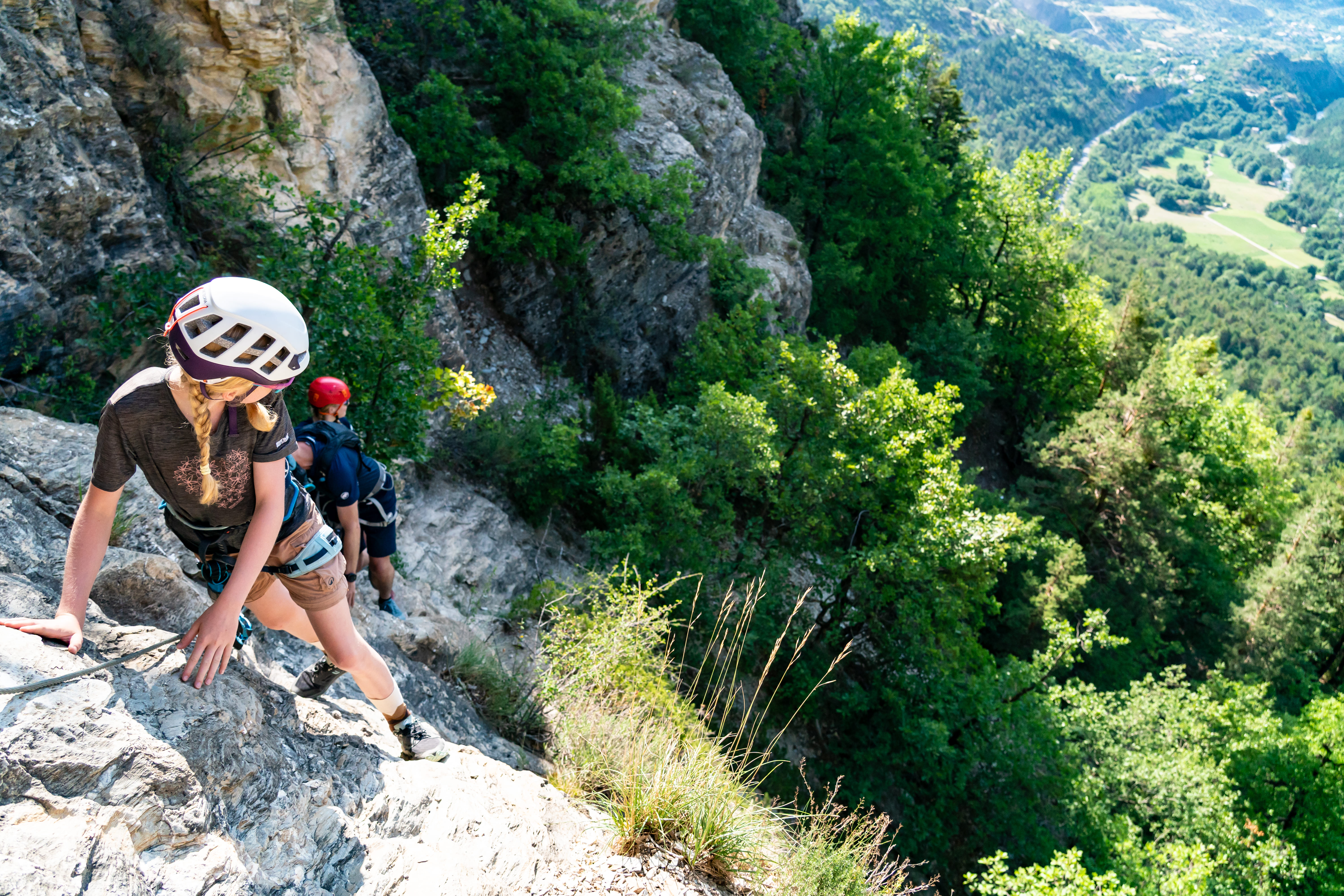
Via Ferrata des Vigneaux
This historic site, one of the first via ferrata sites in France, offers a challenging route reminiscent of the earliest via ferratas, with plenty of natural footholds and handholds on the rock. The breathtaking panorama accompanies you throughout the entire route, from the start to the summit.
Description
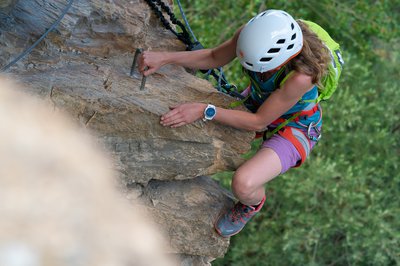
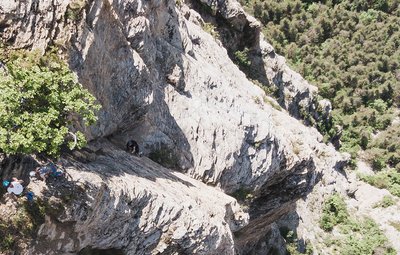
This site offers a traditional, old-school via ferrata experience, with plenty of contact with the rock, both for handholds and footholds. The cliff rises to an altitude of 1,500 m and is characterized by its impressive verticality.
The route is relatively lightly equipped, with just a few rungs and steps to help negotiate the most vertical sections. On the Colombier Via Ferrata, a beautiful ladder provides access to the final vertical wall.
The site is suitable for children aged 10–12 and over, depending on their via ferrata experience and comfort with exposure.
Access: The car park is located as you leave Les Vigneaux, on the Route des Traverses, on the left-hand side when heading towards Briançon. The trail starts behind the hut. Allow approximately 25 minutes.
- Towns crossed : Les Vigneaux
Recommandations
This site faces south, so it is best tackled earlier in the day, avoiding the hottest hours of the afternoon.
Emergency number : 112
Transports :
Pubic transports >> https://services-zou.maregionsud.fr/fr/
Carpooling >> www.blablacar.fr
Information desks
23 Avenue de la République, 05120 L'Argentière-La Bessée
Place de l'Eglise, 05340 Vallouise
5 points of interest
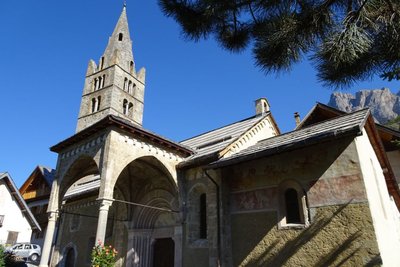
L'église des Vigneaux - Office de tourisme Pays des Écrins  Vernacular heritage
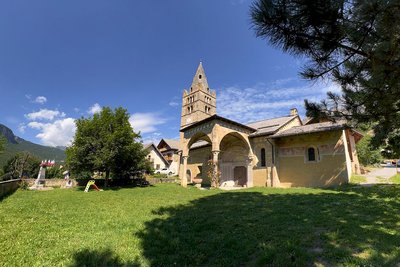
The church in Les Vigneaux
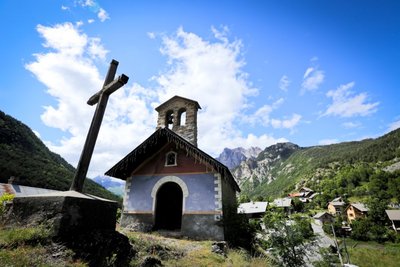
The church of Saint-Laurent with its elegant porch dates from the fifteenth and sixteenth centuries. On its south wall there are frescoes depicting the vices, dragged towards hell by a demon, and their punishments. Enough to make you shudder! Its Lombard Romanesque bell tower has a very rare one-handed clock dating from the eighteenth century. It is one of the oldest working clocks of its type.
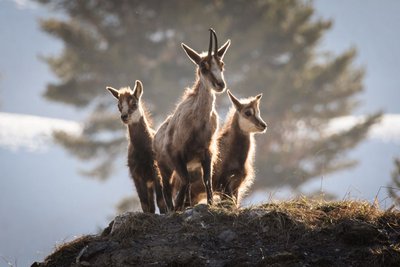
Chamois - Thibault Blais  Fauna
FaunaThe forest ungulates
Deer, including roe deer, chamois, and wild boar are found the forest. Their feet are hooved, made up of a horn-like material rather like human nails. They walk on the tips of some toes, the others being atrophied. This makes them more efficient runners. Deer don't have horns, but antlers which drop and regrow every year, and only in the males. Reminiscent of the shape of branches, these antlers are made from a bone-like material.
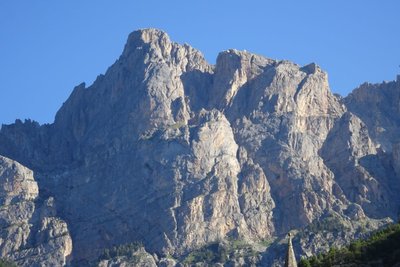
Vue sur le Massif du Montbrison - Office de tourisme Pays des Écrins  Panorama
The view over the Montbrison massif
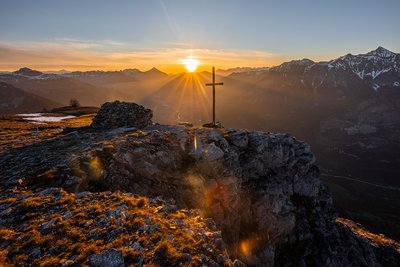
The path offers a beautiful overall view of the limestone massif of Montbrison, overlooking the hamlets of Pelvoux and including the Cime de la Condamine, the Tête des Lauzières, the Pic de Montbrison and the Tête d'Amont.
Les Vigneaux - Office de tourisme Pays des Écrins  History
Images of the grapevine
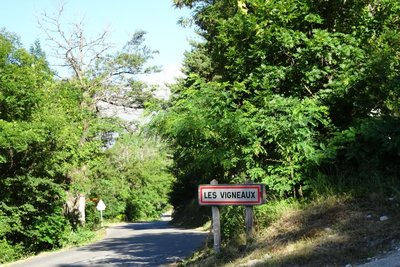
Les Vigneaux owes its name to the vine cultivation once plied on its hillsides. The grapevine is also depicted on the town's coat of arms, which has a vineplant, and also on the traditional houses with vine trellises. Houses with grape presses are also a reminder of the importance of the grapevine.
Cadran solaire de l'église des Vigneaux - Office de tourisme Pays des Écrins Vernacular heritageThe sundial
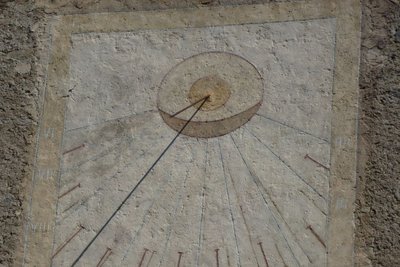
The sundial is an eighteenth-century tradition widespread across the Southern Alps where the sun is ever-present. Artisan sundial makers produced these sundials, which were added as a decoration to house fronts, religious buildings or, as here, a tower. The sayings inscribed on them make some of these artistic works philosophical as well as decorative.
Access




Source

More information


